|
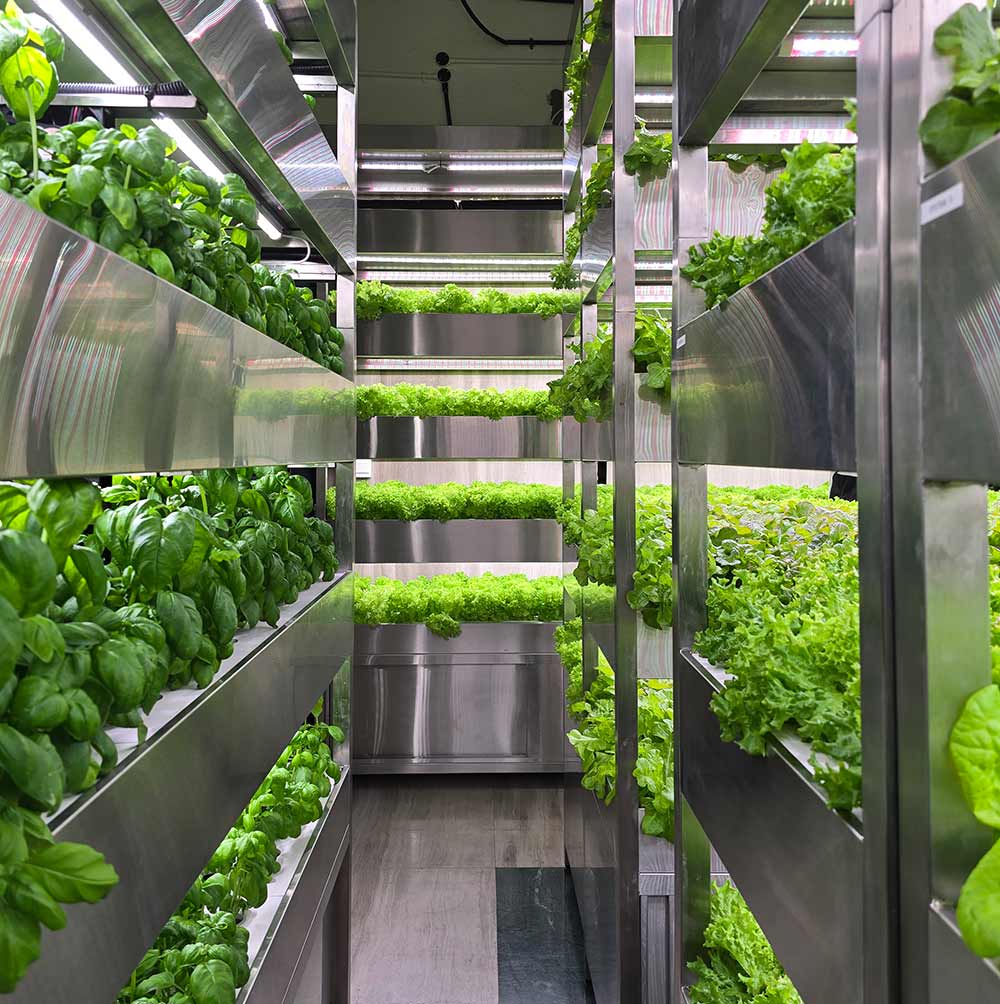
Dubai, United Arab Emirates, 23 June 2026: A delegation from Dubai Municipality visited the emirate’s first vertical farm integrated within a residential tower, developed and operated inside Meera Tower at Al Habtoor City in Business Bay. The project has been designed in line with innovative sustainability standards that support Dubai’s vision for enhanced quality of life. The visit reflects Dubai Municipality’s commitment to encouraging the adoption of advanced agricultural solutions to strengthen food security and sustainability across urban environments. The delegation, which included officials from the Food Safety Department, toured the vertical farming facility, established by Urban Agritechs with the support of Al Habtoor Group. The team was briefed on the farm’s operational model, environmental control systems, food safety practices, and the technologies used for irrigation, lighting, and plant nutrition. Adel Al Karrani, Director of the Food Safety Department at Dubai Municipality, said: “At Dubai Municipality, we are dedicated to promoting innovation across the food sector and supporting initiatives that increase the efficiency of local food production. The vertical farm at Meera Tower represents a modern agricultural model that can be replicated in future real estate developments. Such projects align with Dubai’s vision to strengthen the resilience of its food security ecosystem and reinforce its position as a leading city in adopting sustainable solutions and smart urban agriculture technologies.” The vertical farm grows fresh leafy vegetables in an underutilised area of the tower, enabling residents to order produce directly from the operating company without relying on the conventional supply chain, which typically involves transportation, storage, and retail distribution. This ensures speedy delivery, reduces food loss, and lowers carbon emissions while helping minimise the risk of microbial contamination and exposure to other pollutants. Integrating vertical farms into residential communities contributes to boosting local agricultural production and reducing reliance on food imports. Such projects provide year-round access to safe, fresh, high-quality produce while using significantly less land and water compared to conventional farming methods. In addition to leafy greens, the technology can support the cultivation of other fruits and vegetables, including tomatoes, cucumbers, peppers, and strawberries.
|

 RSS Feed
  Tuesday, June 23, 2026 : 17:02 (+4GMT)