|
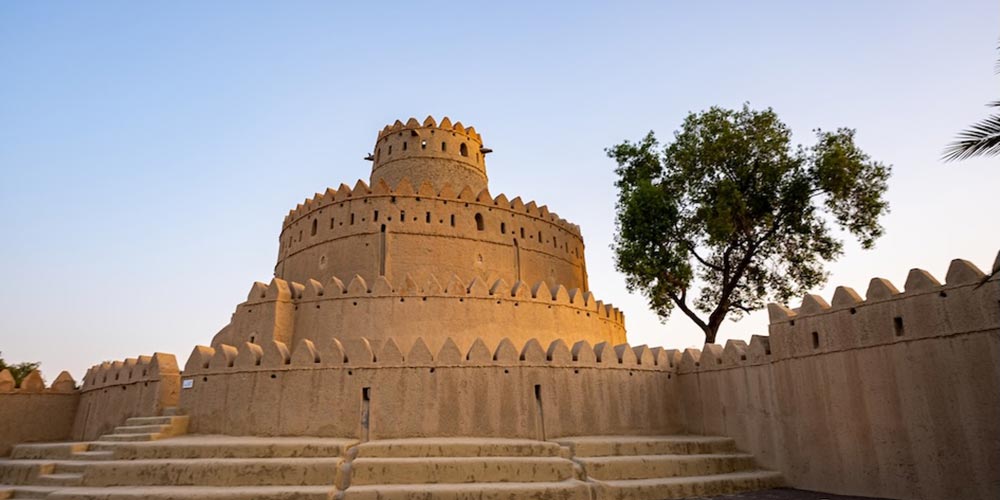
Abu Dhabi, United Arab Emirates - 29 June, 2026: The Department of Culture and Tourism - Abu Dhabi (DCT Abu Dhabi) proudly marks the 15th anniversary of the inscription of the Cultural Sites of Al Ain on UNESCO's World Heritage List. A landmark achievement that placed the UAE on the global heritage map, this milestone reflects the emirate's commitment to safeguarding its cultural heritage and preserving its legacy for future generations. Adopted in 1972, the World Heritage Convention is an international treaty and one of the most powerful tools in global heritage protection. It united, for the first time, the safeguarding of both cultural and natural heritage under a single framework. Protected under international law and overseen by UNESCO, sites are selected based on their outstanding significance to humanity across culture, history and nature. Once approved, a site is formally inscribed on the World Heritage List, a designation that carries global recognition and a binding commitment to its long-term preservation. Inscribed in 2011 during the 35th session of the World Heritage Committee, the Cultural Sites of Al Ain became the UAE's first UNESCO World Heritage Site and the country's only serial World Heritage property. The inscription encompasses four distinct clusters - Hafit, Hili, Bida Bint Saud, and the Oasis Areas. Distributed across 17 interconnected sites, together they document one of the most extraordinary records of continuous human settlement in the ancient world. The recognition was the realisation of a vision rooted in the values of the UAE's Founding Leader, the late Sheikh Zayed bin Sultan Al Nahyan. The sites hold Outstanding Universal Value (OUV), a designation for heritage that is important to all humanity, across national borders and generations. This value is recognised under three UNESCO criteria: the sites' unique archaeological testimony to prehistoric cultures and traditions (Criterion III); their remarkable tomb architecture, some of the earliest in the region, dating as far back as 3200-2600 BCE (Criterion IV); and the lasting, sustainable relationship between communities and the desert environment, evidenced through Bronze and Iron Age settlements spanning thousands of years (Criterion V). Evidence of human presence at these sites stretches back 125000-10000 years to the Middle Palaeolithic period at Jebel Hafit. Archaeological excavations continue to yield new discoveries, including Islamic-era artefacts that further affirm the unbroken thread of civilisation woven across this landscape. In a remarkable achievement, the UAE secured its first UNESCO World Heritage inscription just a decade after ratifying the 1972 World Heritage Convention in 2001, reflecting Abu Dhabi's swift and successful commitment to meeting UNESCO's highest standards for heritage identification, stewardship and conservation. Fifteen years on and guided by international standards, DCT Abu Dhabi has conserved and restored these sites to the highest benchmarks, with approximately seven sites now open to the public and more progressively being activated. The Cultural Sites of Al Ain represent a shared cultural legacy preserved over the years through collective effort, connecting people, place and identity. From the adaptive reuse of Al Qattara Arts Centre to the opening of Jebel Hafit Desert Park and Al Ain Oasis Visitor Centre, this anniversary reflects DCT Abu Dhabi’s ongoing efforts to protect, preserve and promote Abu Dhabi’s cultural heritage.
|

 RSS Feed
  Monday, June 29, 2026 : 17:11 (+4GMT)