 RSS Feed
  Monday, April 6, 2026 : 14:51 (+4GMT) Monday, April 6, 2026 : 14:51 (+4GMT) | |||
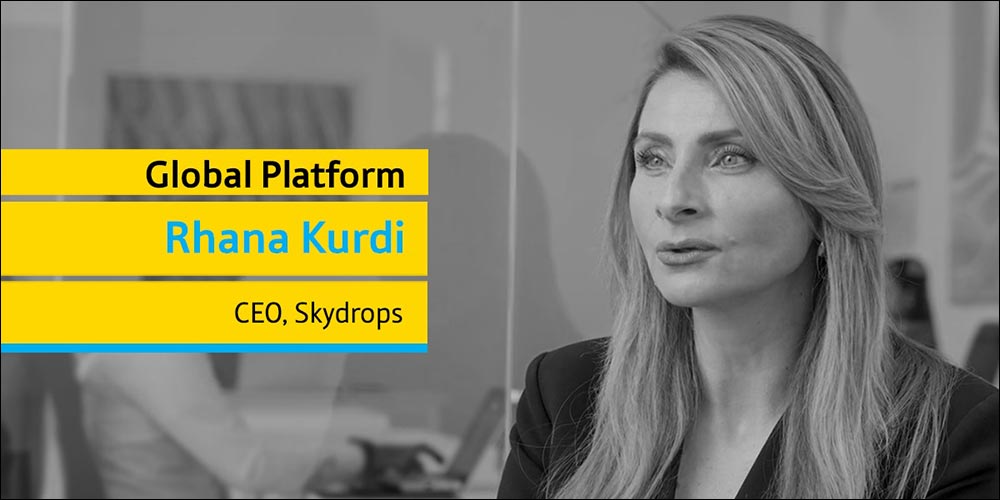
A new Oxford Business Group Global Platform feature highlights the role of emerging technologies in building long-term water resilience across the MENA region Doha, April 6, 2026: With the United Nations repeatedly ranking Qatar as the country most at risk of water scarcity globally, the Gulf's relationship with water has never been more urgent. A new Global Platform video by Oxford Business Group examines how Qatar - and the broader MENA region - is confronting a stark paradox: world-class desalination infrastructure that is also a single point of vulnerability, and why diversifying into decentralised solutions is no longer optional. Produced in partnership with Skydrops Sustainable Water Technologies, the video explores the role of alternative water sources within Qatar’s established desalination-based system. As demand continues to rise and environmental considerations gain prominence, the integration of complementary, decentralised solutions is emerging as an area of increasing relevance for policymakers and industry stakeholders. The feature assesses how factors such as energy price volatility, supply chain considerations and climate-related risks are influencing long-term planning. Growing geopolitical uncertainty across the region has further underscored the vulnerabilities inherent in centralised water infrastructure, reinforcing the strategic case for distributed, technology-driven alternatives. Within this context, atmospheric water generation is presented as a supplementary solution that can support more flexible and distributed water production, particularly in high-demand urban environments. The video also highlights the potential for technology-led approaches, including AI-enabled optimisation and smart distribution systems, to enhance efficiency and reduce the carbon intensity of water production. These developments are positioned within broader regional efforts to strengthen resilience and support sustainable growth. Rhana Kurdi, Founder and CEO of Skydrops Sustainable Water Technologies, said that while desalination remains the backbone of Qatar’s water system, evolving demand patterns and environmental considerations are encouraging a more diversified approach. “Decentralised technologies can help address gaps in distribution and improve system flexibility, particularly in fast-growing urban areas and locations where infrastructure expansion may be less efficient,” she noted. Marc-André de Blois, OBG’s Director of Video Content, said water security is increasingly being viewed through the lens of economic resilience and resource efficiency across the GCC. “Qatar’s experience illustrates how established infrastructure can be complemented by emerging technologies, offering a more balanced and adaptive model that aligns with long-term sustainability objectives,” he added. | |||
|
| |||
| |||
| |||
| |||
| ||||||||||||||||||||||||||||||||
| ||||||||||||||||||||||||||||||||
| ||||||||||||||||||||||||||||||||