
 RSS Feed
  Friday, January 23, 2026 : 17:07 (+4GMT) Friday, January 23, 2026 : 17:07 (+4GMT) | |||
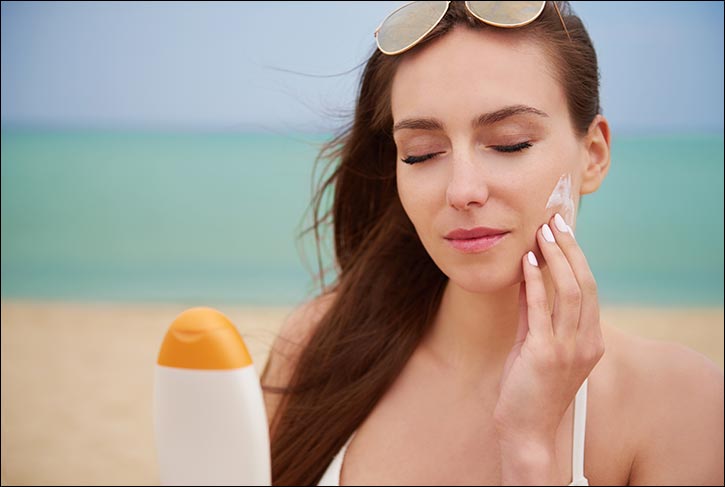
It’s cold, so people stop wearing SPF. That’s usually when pigmentation starts creeping back. Across the UAE, dermatologists say they see the same winter pattern every year. As temperatures drop and outdoor season begins, clinics report a rise in pigmentation flare-ups, irritated skin and noticeable dehydration. The assumption is that the sun is less intense in winter. The reality is that UV exposure remains high, but routines quietly change. Doctors say the issue is behavioural rather than environmental. When the heat eases, sunscreen becomes optional. At the same time, many people ramp up exfoliation, retinoids or corrective treatments, assuming winter is the safest time to “fix” their skin. Combined with drier air and constant indoor air conditioning, this can leave the skin barrier more vulnerable than expected. Pigmentation occurs when melanin production is triggered by UV exposure or inflammation, leading to dark patches or uneven tone. In the UAE, year-round UV and regular outdoor time mean flare-ups are more likely, particularly when the skin barrier is already irritated. “In winter, people feel protected because it’s cooler, but that’s when we see pigmentation reappear,” said Dr Parul Thakur, dermatologist at Athena Dermatology Clinic. “SPF use drops just as routines become more aggressive, and the skin doesn’t cope as well as people expect. We often see rebound pigmentation weeks later.” Clinicians say the winter skin issues they see most often tend to come down to four common mistakes. The first is inconsistent sunscreen use. Even short daily exposure can keep pigmentation active, especially for people prone to melasma or post-inflammatory hyperpigmentation. The second is layering too many active ingredients at once. Retinoids, exfoliating acids and brightening products can irritate the skin barrier and make pigmentation appear worse rather than better. The third is trying to force fast results through harsh exfoliation, at-home peel kits or frequent product switching. This often increases sensitivity and delays real improvement. The fourth is winter dehydration. Cooler weather and air conditioning can leave skin feeling tight and dull, and dehydrated skin is more likely to react when exposed to strong actives or sun. “Winter skincare here should be about keeping the skin calm and consistent, not throwing everything at it,” said Dr Akreti Sobti, dermatologist at Athena Dermatology Clinic. “Daily broad-spectrum sun protection, fewer actives and steady hydration are usually the quickest way to prevent a flare-up turning into a longer correction cycle.” Dermatologists advise anyone noticing worsening pigmentation or irritation in winter to simplify their routine, keep SPF daily regardless of temperature, and pause active ingredients if stinging or peeling starts. | |||
|
| |||
| |||
| |||
| |||
| ||||||||||||||||||||||||||||||||
| ||||||||||||||||||||||||||||||||
| ||||||||||||||||||||||||||||||||