
Supported by the Consulate General of Japan in Dubai,
Nikken Sekkei Dubai and SOBOKUYA will present an immersive cultural installation
Dubai, United Arab Emirates, 22 October 2026: Leading Japanese architectural,
Supported by the Consulate General of Japan in Dubai, CHATAI 2.0 builds on the award-winning 2025 installation to expand CHATAI from a place to gather into a wider platform for cultural discovery, creative exchange and shared experiences with contributions from more than ten collaborators.
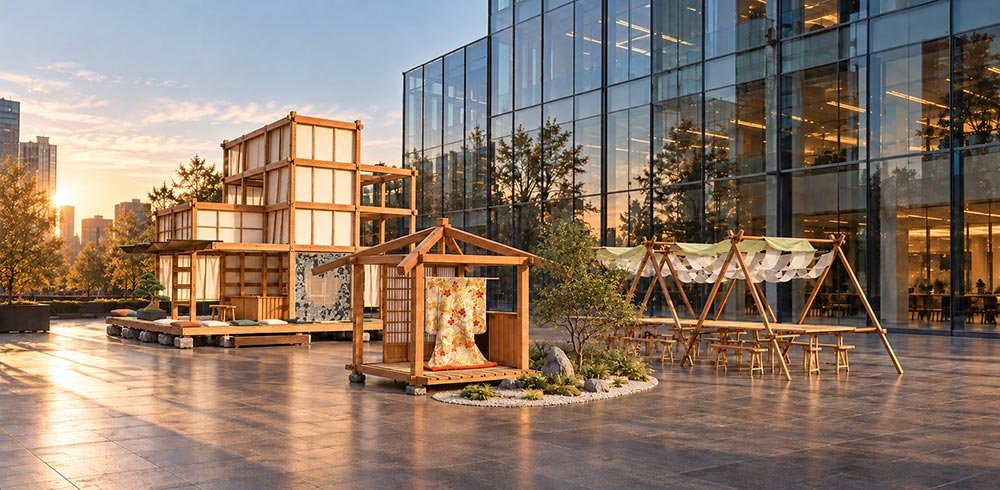
Nikken Sekkei and SOBOKUYA will present an expanded installation centred on the theme of Family, exploring how shared spaces and experiences can nurture existing bonds and foster new connections among visitors. In line with the UAE's Year of Family 2026, designated under the directive of His Highness Sheikh Mohamed bin Zayed Al Nahyan, President of the UAE, CHATAI 2.0 expands the original tea pavilion into three complementary spaces—CHATAI, MACHIKAN and HANARE—where visitors can gather, make and encounter Japanese culture.
Together, the three spaces form a poetic, interactive installation that brings people together through Japanese craftsmanship, culture and celebration. Visitors of all ages are invited not only to observe, but to participate—building together, sharing tea, making art and celebrating everyday joys, creating lasting memories along the way.
Takashi Manabe, Consul General of Japan in Dubai, commented: "At last year's Dubai Design Week, 'CHATAI' was met with great acclaim, highlighting the power of architecture and design as a means of showcasing Japanese culture. This year, the initiative is set to expand even further, enriching both the design space and its cultural elements. In light of this broader vision, the Consulate-General is delighted to extend its active support."
Dr. Fadi Jabri, CEO of Nikken Sekkei Dubai, said: "CHATAI 2.0 is inspired by a simple idea that meaningful connections are created when people come together to build, share and celebrate. Through the theme of Family, we wanted to create a welcoming environment where visitors of all generations can gather, experience Japanese culture and take part in creating something together. By combining craftsmanship, cultural exchange and participation, CHATAI 2.0 reflects our belief that design can strengthen communities and create lasting bonds between people. We would like to thank the Consulate General of Japan in Dubai for its support, as well as our collaborators, whose collective expertise and generosity have helped bring CHATAI 2.0 to life."
Reflecting the collaborative spirit of CHATAI 2.0, the installation brings together contributions from Kvadrat, Panasonic Electric Works Middle East & Africa, Hiroshima Jozai, Dai Nippon Printing, Nakawake Shoei, Dubai Seiyu, Basara Specialty Japanese Tea, sui ho, Japan Style, Moku landscape, Dubai Audio, Jamila Navagharwala and Shohin Bonsai Dubai. Together, they bring Japanese culture to life through craftsmanship, materials, artistic expression and cultural programming, creating an immersive experience for visitors of all ages.
CHATAI combines the intimacy and calm of Japanese tea rooms, Chashitsu, with the conviviality and closeness of Yatai street stalls, showcasing the richness and beauty of Japanese culture through an immersive experience. Reflecting SOBOKUYA's philosophy of working with nature, its timber structure uses traditional joinery, with precisely cut components and interlocking joints assembled without nails or metal fittings.
A newly added engawa, a veranda, offers space to gather. In collaboration with Danish textile brand Kvadrat, textiles are incorporated into the sudare canopy, noren curtains, and cushions. The space is enriched by illustrated family stories, a Sogetsu ikebana arrangement by Dubai Seiyu, and calligraphy bearing the word Kizuna—meaning the bonds between people. A pathway of 88 furin, wind chimes, brings the familiar sound of Japanese summer into the landscape of Dubai.
MACHIKAN is a celebration of the city, creativity, and the art of coming together. Shared activities bring people together, and the connections they create are at the heart of MACHIKAN. Throughout Dubai Design Week, everyone is welcome to drop by and join in—whether to try something new, share a celebration, or simply spend time together.
Created by PYNT, Nikken Sekkei's co-creation platform, this year's edition brings that spirit into dialogue with CHATAI, inviting visitors to experience Japanese art and craftsmanship through collective making and shared encounters.
A long communal table, built together by the people who gather around it, gives this idea a physical form. Using "Tsunagi" clamps provided by Nikken Wood Lab, visitors join pieces of wood to create a shared place for meeting, making, and celebrating. Designed to be easily dismantled, relocated, and reassembled, the table can adapt to different settings and uses. The table is topped with a Textile Tabletop by Kvadrat Really, made from a blend of existing textile waste.
Once assembled, the table becomes a setting for shared experiences of ikebana, tea ceremony, calligraphy, and origami. Visitors are also invited to create Oiwai-fuda—celebration cards expressing a personal occasion or an everyday joy they wish to celebrate.
Displayed together, the cards invite people to discover and share in one another's celebrations. The table is first built by people, then becomes a place that builds connections between them.
At HANARE, visitors can wear a traditional Japanese haori jacket provided by Japan Style and enter an intimate space inspired by Japanese craftsmanship, creating a photographic memory of their experience.
Visitors will be able to participate in a range of interactive experiences inspired by Japanese culture, including tea ceremonies, workshops by Basara Specialty Japanese Tea, Japanese calligraphy by sui ho, Ikebana by Dubai Seiyu and Origami by Jamila Navagharwala. The installation will feature opportunities to wear a traditional Haori jacket by Japan Style and participate in cultural photo experiences, creating accessible entry points into Japanese culture for visitors of all ages.
For more than 35 years, Nikken Sekkei has delivered projects across the Middle East that combine Japanese design heritage with a deep understanding of local culture and context. Through its Dubai office, the firm continues to create people-centered environments that foster meaningful connections between people, place and community. CHATAI 2.0 reflects this same philosophy, bringing people together through culture, participation and shared experiences.