
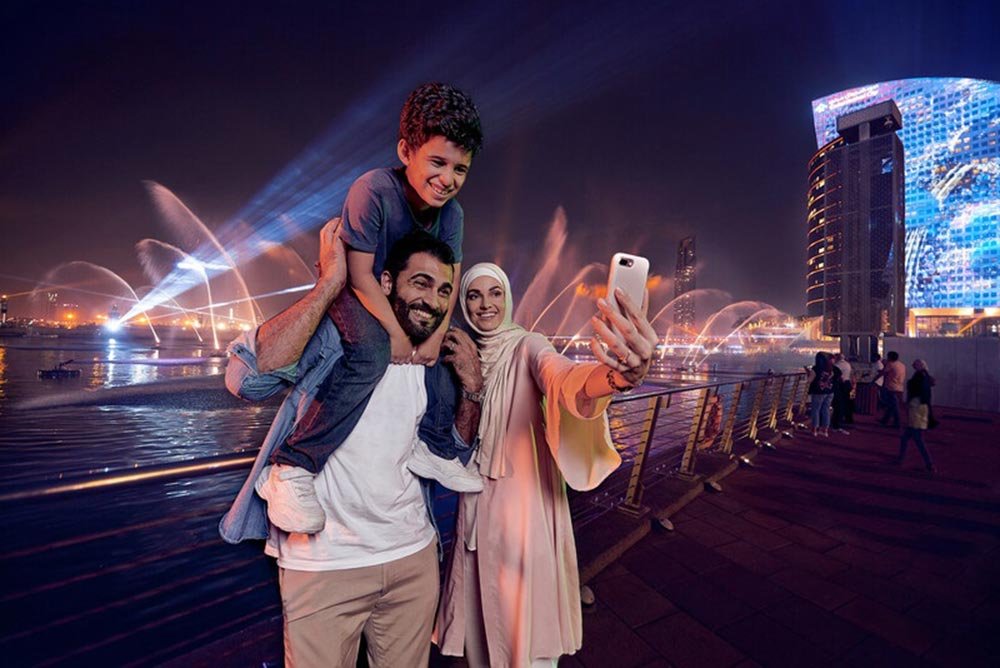
As families honour traditions passed down through generations and others discover the festival for the first time, Diwali offers a glimpse into the cultures and communities that make Dubai home.
Dubai, United Arab Emirates - 06 November 2026: In Dubai, Diwali begins at home and spreads across the city, from the glow of diyas and colourful rangolis to cultural performances, festive markets and meals shared with friends and family. For many in the Indian community, it is a time to honour traditions passed down through generations. For others, it offers an introduction to the customs and spirit of one of India's most cherished festivals, now firmly part of Dubai's cultural calendar.
This year's Festival of Lights runs until 12 November, with Diwali falling on Sunday, 8 November. Organised by Dubai Festivals and Retail Establishment (DFRE), part of the Dubai Department of Economy and Tourism (DET), the celebrations extend from neighbourhoods and shopping destinations to cultural venues and restaurants, reflecting the many ways the festival is observed across the city.
On stage and in the street
Diwali spills into Dubai’s public spaces, with cultural performances, festive markets and processions bringing the festival to the city’s streets and waterfronts. At these events, music, dance and familiar customs offer a glimpse of how the festival is celebrated beyond the home.
At Souk Al Seef, Noor – Festival of Lights, presented by Teamwork Arts, brings the atmosphere of an Indian Diwali celebration to the waterfront on the weekend. Described by its organisers as a home away from home for Diwali, the third edition of Noor will feature a grand procession, Bollywood dance and live performances, including appearances by Jasbir Jassi, The Shams, Jammers, Bhangra Queens and Sooraj Santosh. It is an opportunity to experience the festival through music and the shared energy of a community celebration.
That same mix of cultural experiences and entertainment can be found at Global Village, where the India Pavilion, Diwali Mela and Indian Chaat Bazaar bring together traditional performances, festive shopping and food. A Diwali-themed drone show adds another dimension to the celebrations, bringing the festival's familiar lights into the night sky.
At Dubai Miracle Garden, Bloom & Glow combines the garden's floral displays with a parade, community rangoli competition, diya painting and an Indian food and sweets market. Shopping destinations have also found ways to mark the occasion, with City Centre Deira hosting a celebration featuring Bollywood star Tamannaah Bhatia, while BurJuman's Khushiyon Se Bhari Diwali brings music, dance and creative workshops to the mall.
Beyond organised celebrations, Diwali can be seen in the city’s neighbourhoods, too. Across Bur Dubai, homes come alive with balconies adorned with colourful lights, creating a festive spectacle along the streets. These displays bring the spirit of the festival into everyday life, as families decorate their homes and share the celebrations with the wider community.
The traditions of giving, gold and good fortune
For many families, Diwali is about welcoming prosperity, marking new beginnings and spending time with loved ones. The days surrounding the festival each carry their own significance, with Dhanteras particularly associated with the purchase of gold and silver. Bringing home precious metals is considered auspicious, making the occasion an important part of Diwali preparations for many Indian households.
In Dubai, known as the City of Gold, this tradition has a particular resonance. The Gold Souq in Deira has long been a landmark for gold shopping, drawing residents and visitors alike with its extensive jewellery offerings. The Diwali Gold Rush, running at jewellery stores across the city, ties Dhanteras buying to a chance to win a share of 1kg of gold. The same sense of good fortune runs through the rest of the season's shopping, from sweets, diyas and decorations to gifts for loved ones and prize draws that include cars at City Centre Deira and BurJuman.
Around the table
Food has always been central to Diwali, bringing families and friends together over dishes prepared for the occasion, from savoury snacks and rich curries to traditional sweets shared with guests. It is also where Diwali varies most from one household to the next, since every region of India has its own festive dishes. Dubai's restaurants reflect that range, giving the festival an especially diverse flavour, with restaurants and hotels marking the occasion through special menus, festive buffets and experiences inspired by regional Indian cuisine.
Avatara, the city's one-MICHELIN-starred Indian vegetarian restaurant, marks Diwali with a 12-course lunch and a 17-course dinner, while Jamavar's ‘A Feast in Chahar Bagh’, created with Good Earth, and Kinara by Vikas Khanna at JA Lake View Hotel offer set menus for the occasion.
Hotels lean towards the street-food side of the festival, with live chaat and jalebi stations at Purani Dilli at Four Points by Sheraton and a garden dinner overlooking Ain Dubai at Gastro Kitchen. Dhaba Lane brings a Punjabi set menu to its Dubai branches – a sign of how far Indian festive flavours now reach.
Passing the celebrations on to a new generation
Diwali traditions are often passed down through the generations, with children learning the significance of the festival through decorating the home, making rangolis, lighting diyas and spending time with family. In Dubai, family-friendly experiences give younger visitors their own ways to discover and take part in the celebrations.
At House of Hype in Dubai Mall and AYA Universe at Wafi City, Diwali-themed experiences bring colour and interactive activities into the festivities. At The Oasis at Mövenpick Downtown Dubai, children can paint diyas during a Diwali buffet, while Kids Corner at Global Village offers activities for younger visitors.
These activities give children a chance to take part in customs they may already know from home, or encounter for the first time. Over time, the small rituals they learn and the memories they make become part of how the festival is remembered and passed on.
The celebrations continue until 12 November. For the full calendar of events, participating destinations and offers, v